Korean Association of Cardiopulmonary Resuscitation
2025 Korean Guidelines for Cardiopulmonary Resuscitation: Part 1. The update process and highlights
This guideline holds 12 recommendations, 46 references, 1 table and 1 figure.
Summary
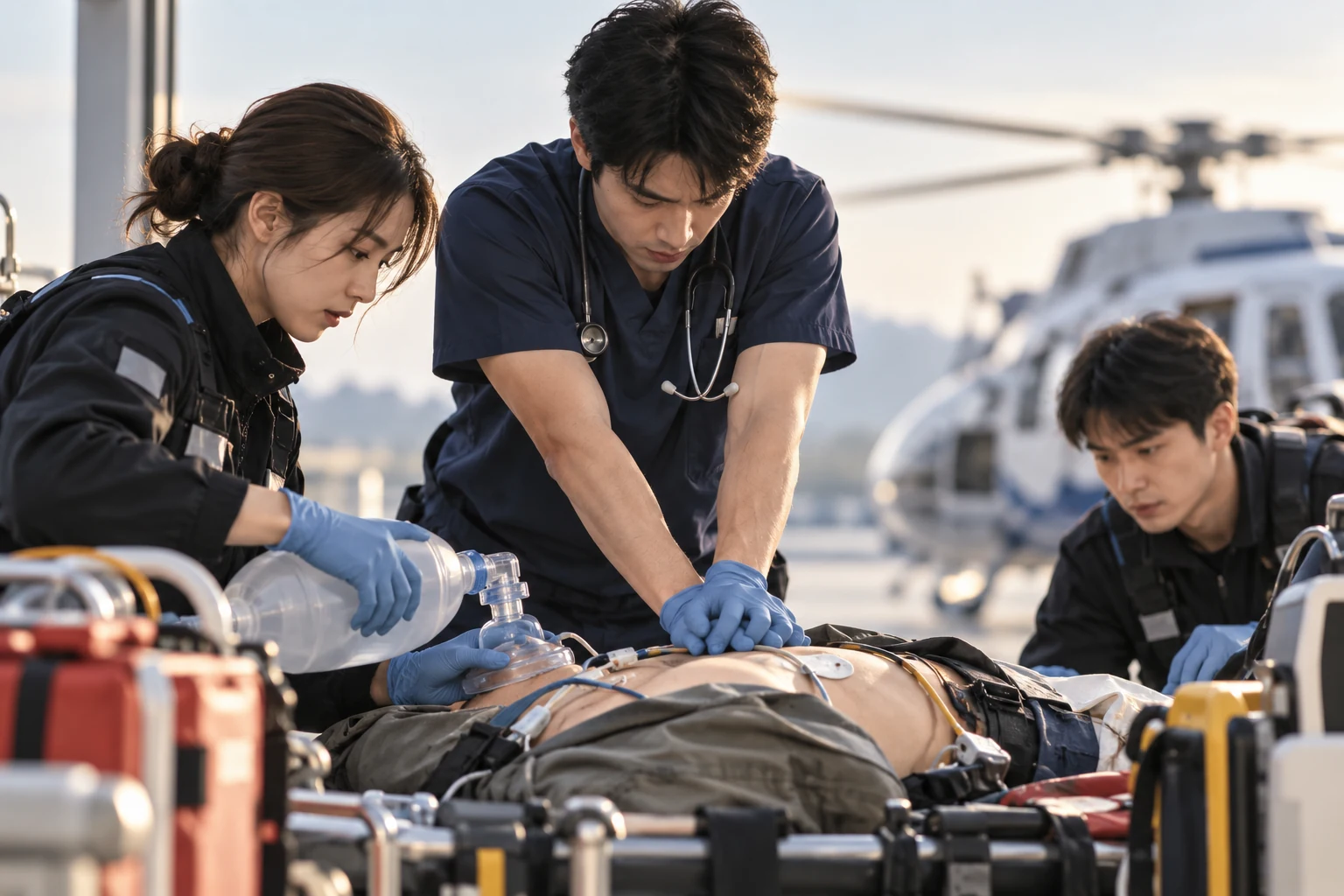
This clinical guideline describes the update process and key highlights of the 2025 Korean Guidelines for Cardiopulmonary Resuscitation (CPR). Developed using the GRADE and GRADE-ADOLOPMENT methodologies, it introduces significant updates across basic life support, advanced life support, post-cardiac arrest care, pediatric and neonatal resuscitation, education, and first aid.
The number of out-of-hospital cardiac arrests (OHCA) in Korea has risen, but survival rates remain low at 9.2%. Early bystander CPR is critical for survival and neurological recovery. Since Korean CPR guidelines were last revised in 2020, substantial new clinical evidence has emerged, necessitating an update to reflect the latest scientific findings and adapt international recommendations (ILCOR CoSTR) to the domestic healthcare environment.
Key takeaways
Rehabilitation and recovery added as a new fifth link in the integrated chain of survival.
Emergency dispatchers instructed to guide callers to locate and apply AEDs to improve low prehospital AED utilization rates.
Rescue breathing recommended as the starting intervention for drowning victims by trained rescuers.
Double sequential or vector-change defibrillation suggested for refractory ventricular fibrillation.
Post-resuscitation targeted temperature management revised to a range of 33–37.5 °C for at least 24 hours.
Public access defibrillation (AED use by laypersons) extended to children aged 1 year and older.
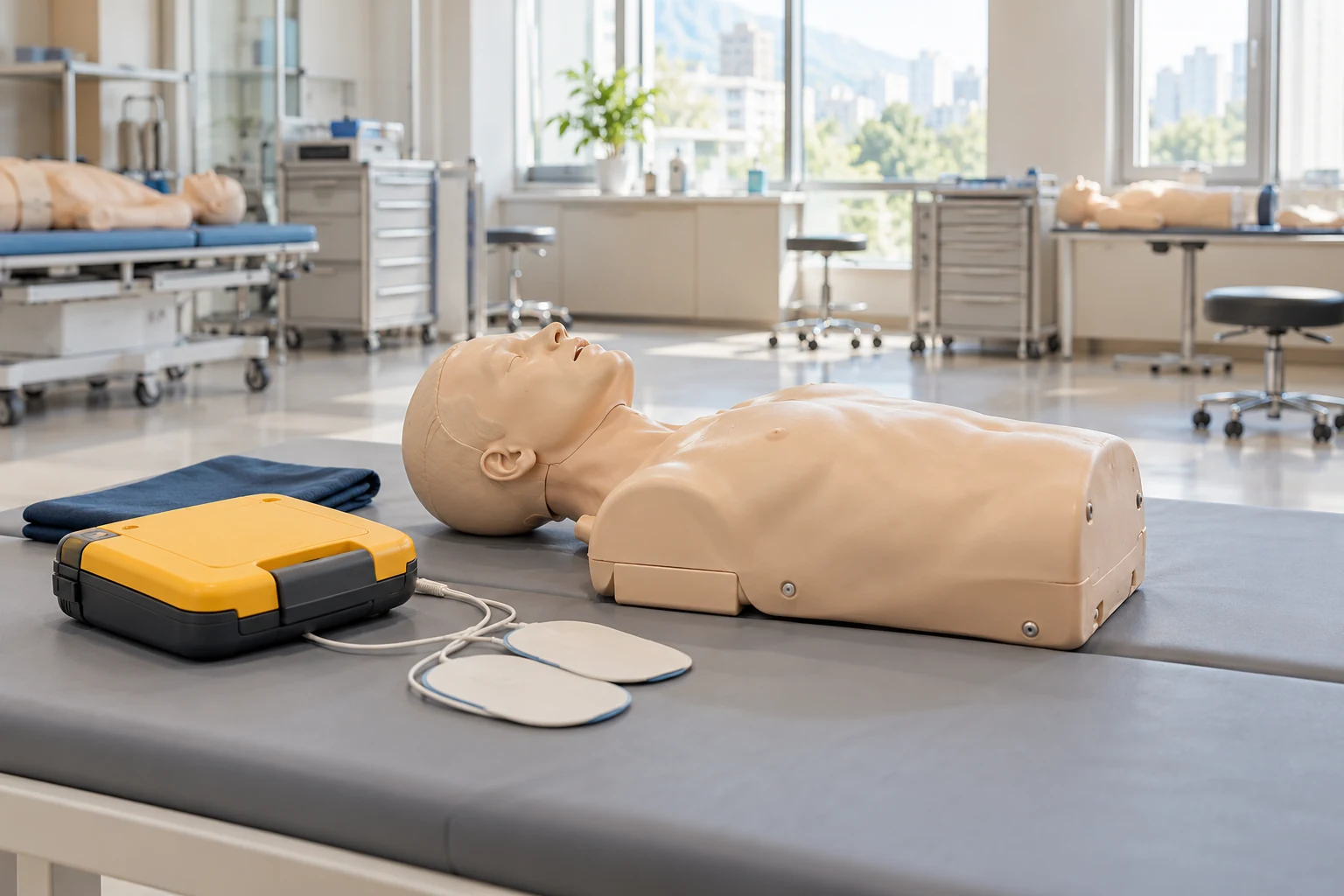
Feedback devices recommended in CPR training to deliver real-time guidance on depth, rate, and hand position.
What is new in this version
More in emergency medicine
- 2025 Korean Guidelines for Cardiopulmonary Resuscitation: Part 5. Cardiac arrest in special circumstancesKorean Association of Cardiopulmonary Resuscitation · 2026
- 2025 Korean Guidelines for Cardiopulmonary Resuscitation: Part 10. Education and system implementation for enhanced chain of survivalKorean Association of Cardiopulmonary Resuscitation · 2026