Developmental cognitive neuroscience
Loading your page…
Loading your page…
Developmental cognitive neuroscience
Osler answers from this library and names the guideline behind every claim.
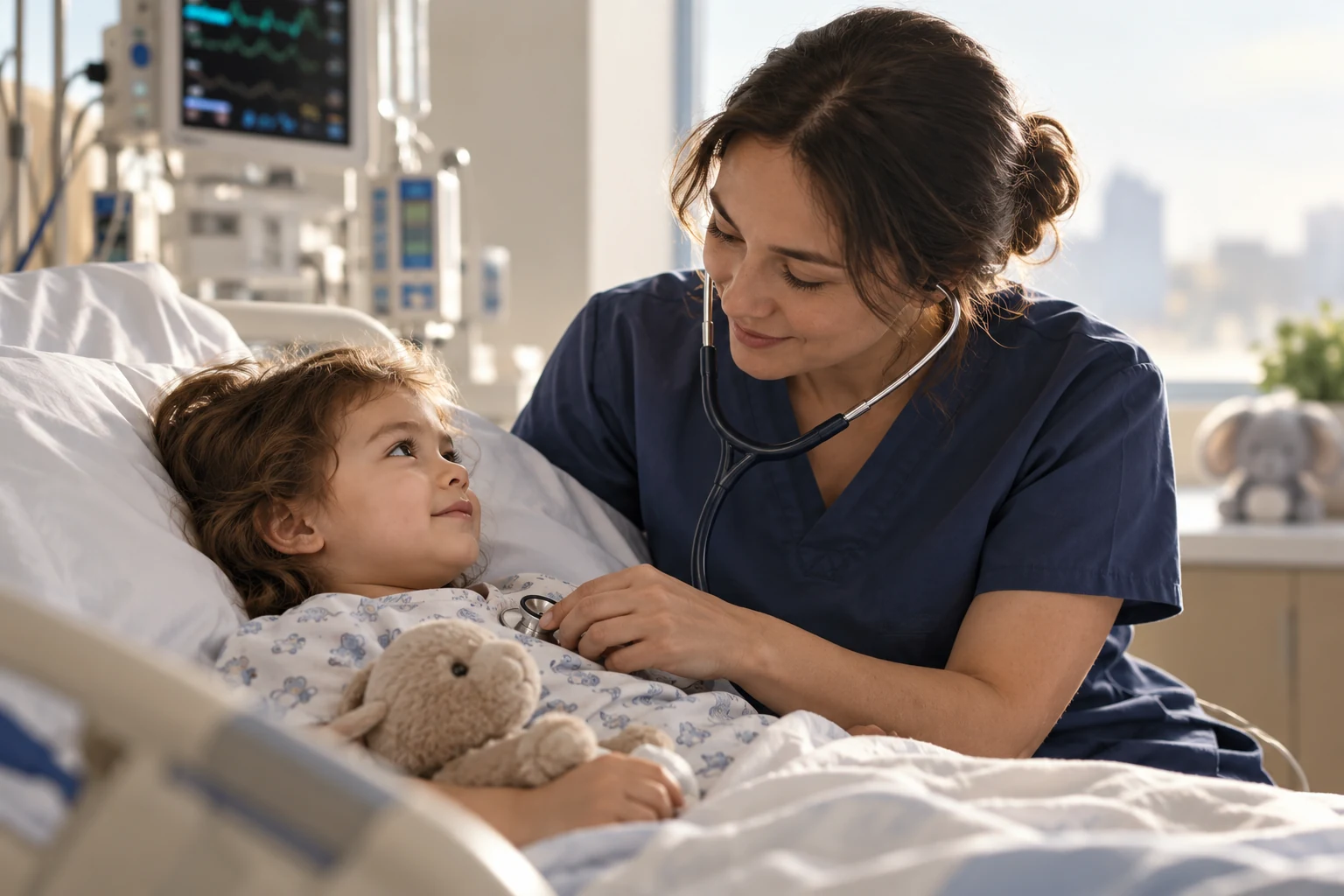
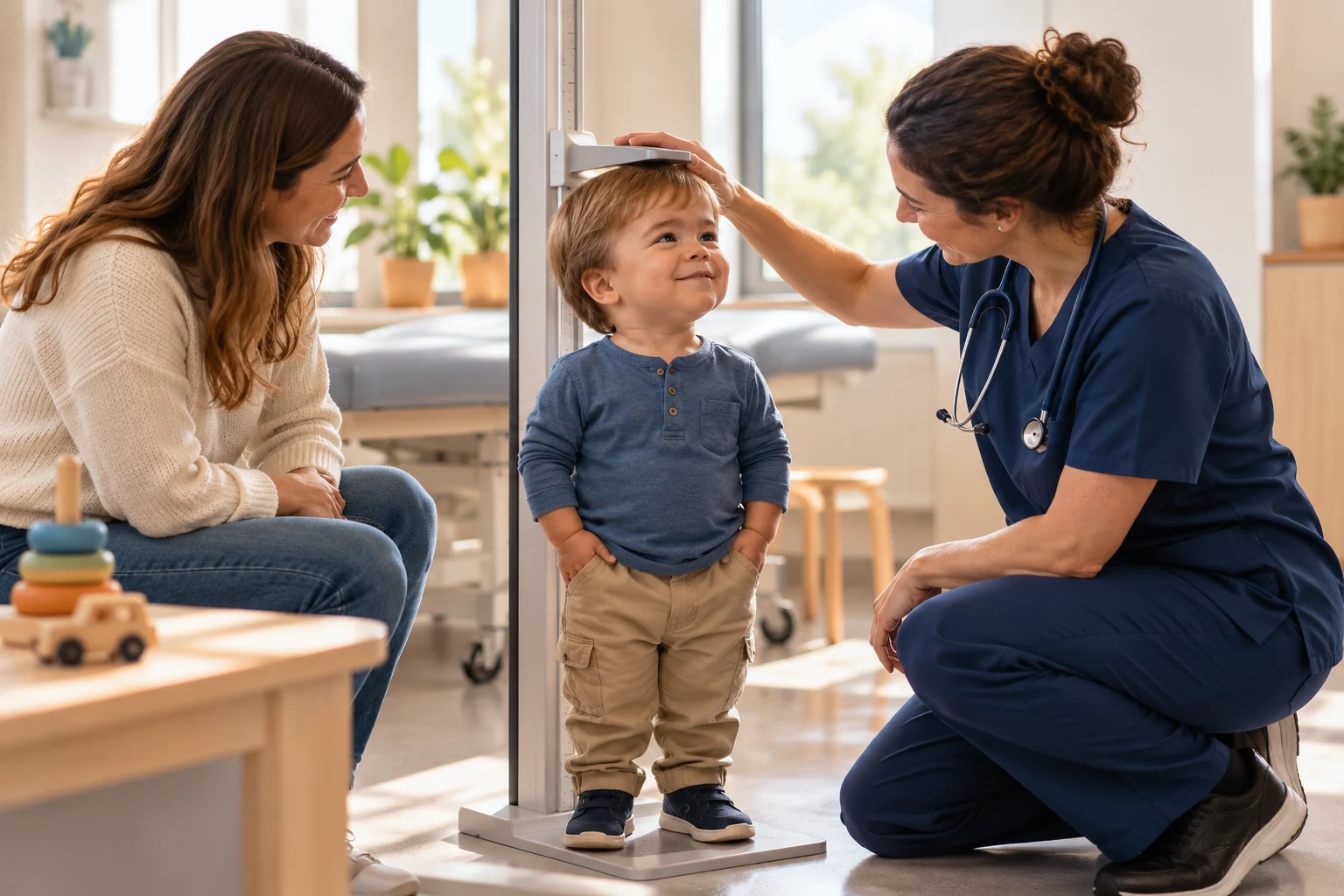
Children participating in MRI research often encounter emotionally and physically demanding protocols, yet research environments often do not incorporate the same emotional safeguards commonly found in clinical settings. In the past quarter-century, functional magnetic resonance imaging (fMRI) emerged as a foundational tool for examining brain structure and function across the lifespan. Working with a Certified Child Life Specialist (CCLS) and adopting the child life principles of assessment, preparation, education, rapport building, play, family-centered care, environmental planning, and community engagement into research protocols can significantly enhance pediatric research protocols and study outcomes. Practical guidance is offered for implementing emotionally safe practices across various phases of research, from recruitment to post-visit debriefing for each developmental age group.
Published by Developmental cognitive neuroscience, 2026. The PDF is shown as published and remains the work of its authors and publisher; the original is at the source linked here. Rights holders can ask us to remove a file at info@prognia.nl.
Prognia summarises this guideline for reference and education. It is not medical advice. Always check the official guideline and current local protocols before acting on it.